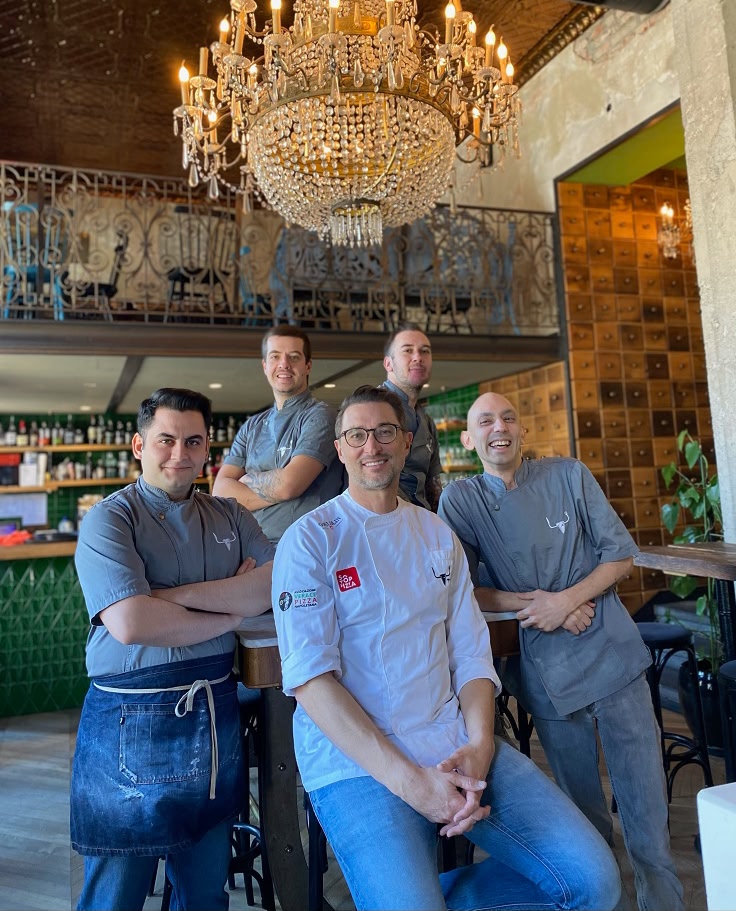
The second cycle of Pag Pizza Academy brought a different kind of energy to D10’s Pizza Fantasista. It was still about dough, fermentation, technique, oven work, and all the small details that decide whether a pizza really works. But this time, the story also became more local.
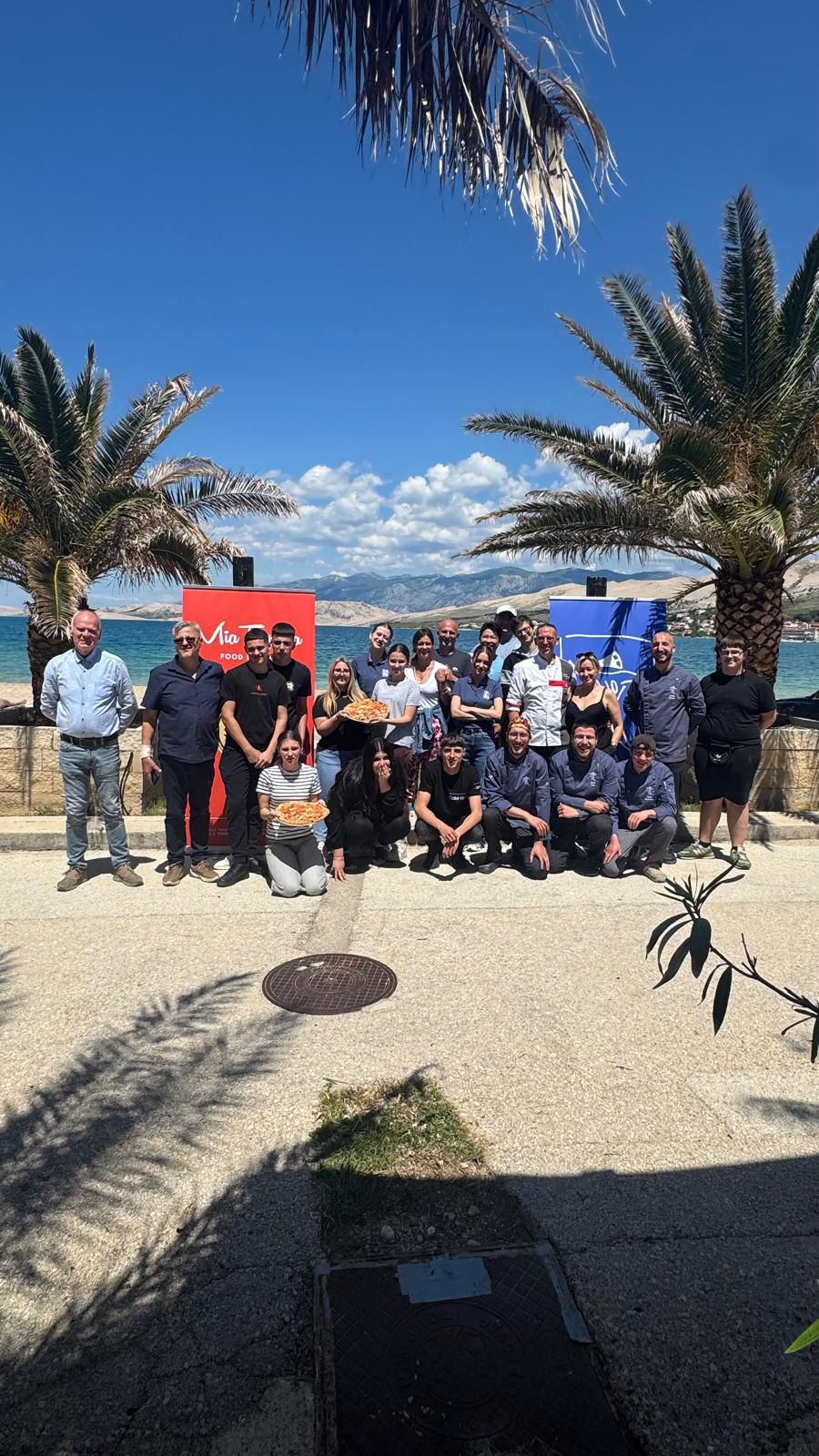
Students from Bartul Kašić High School joined a practical masterclass, Pag’s mayor took part in the training for a day, and three new female pizzaiolas completed the program and will continue working on the island.
For a project built around education, work, and local hospitality, that combination matters. It shows that the academy is not just a place where people learn how to make pizza. It is slowly becoming a platform where skills, community, and the island’s identity meet in a very practical way.
Local Support, Without the Formal Distance
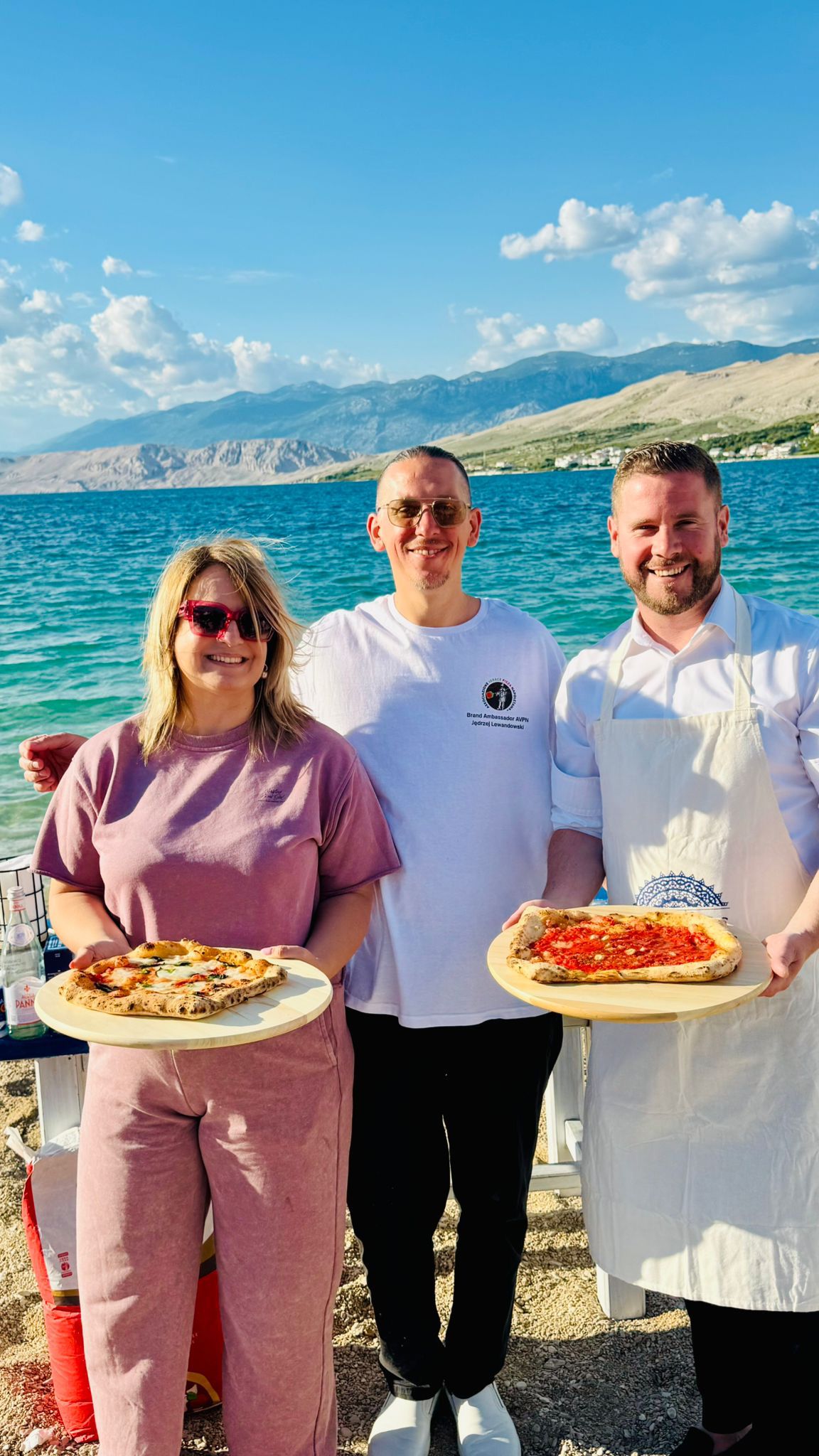
One of the symbolic moments of this cycle was the mayor’s visit. Instead of only stopping by for a formal photo, he joined the process, worked with the instructors, and experienced part of what participants go through during the academy.
That kind of support makes sense for a project like this. Pag Pizza Academy is connected to the local economy in a direct way. It trains people for real kitchens, supports hospitality, creates new career paths, and gives Pag another reason to be talked about outside the main summer season.
It also says something about the direction of the island. Good food projects are not only about restaurants. They can become part of education, tourism, employment, and the way a place presents itself to the world.
Students From Bartul Kašić High School Joined the Masterclass
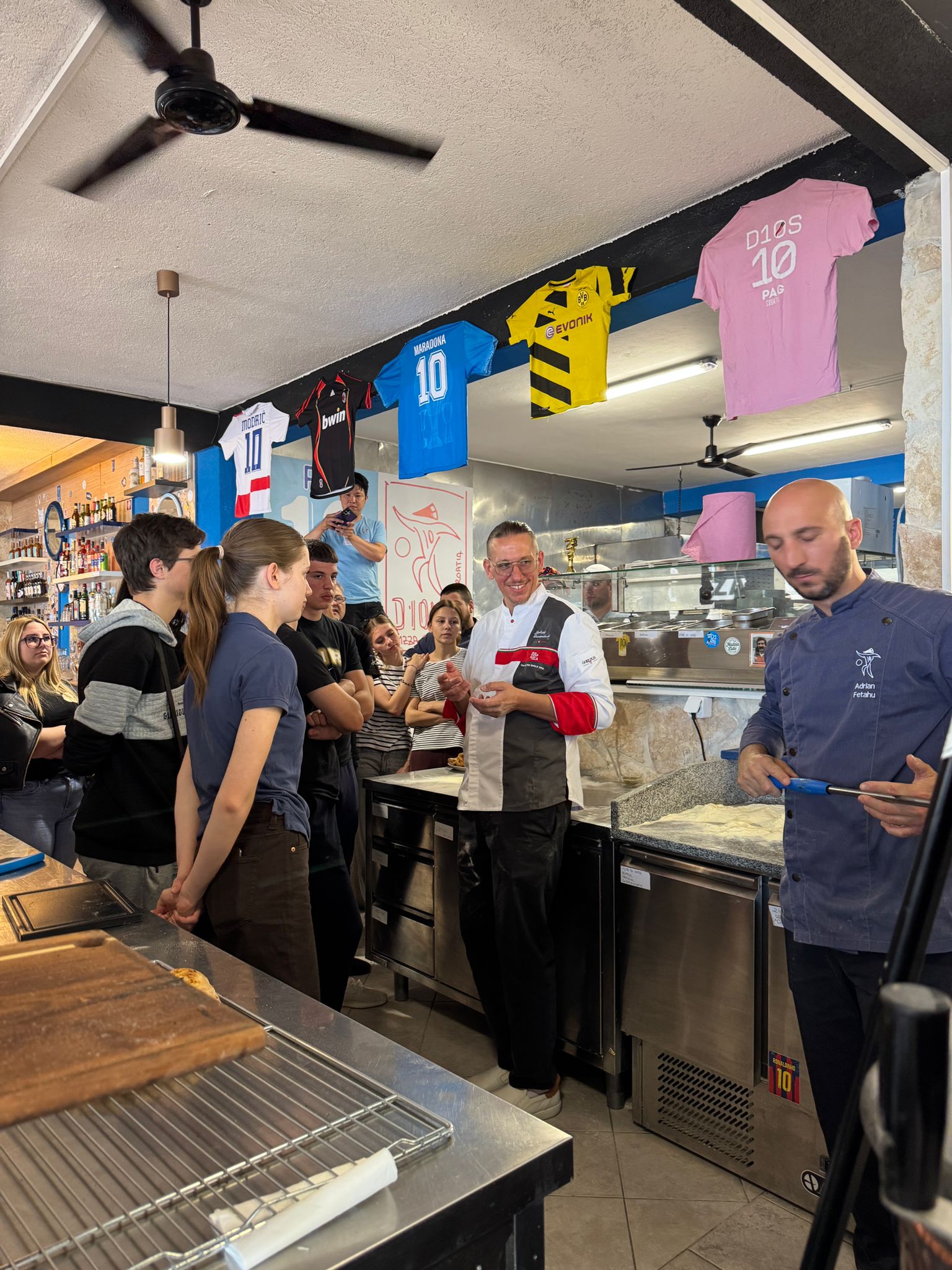
A special part of this cycle was the masterclass for students from Bartul Kašić High School in Pag.
The idea was not to give students a lecture about hospitality from a distance. They stepped into a real working environment, handled dough, followed the preparation process, and saw how much precision sits behind something that often looks simple from the guest’s side of the table.
For young people on the island, this kind of experience makes hospitality more concrete. It shows that food can be a skill, a profession, a creative path, and in some cases, a reason to stay connected to the place they come from.
Learning Under Jędrzej Lewandowski
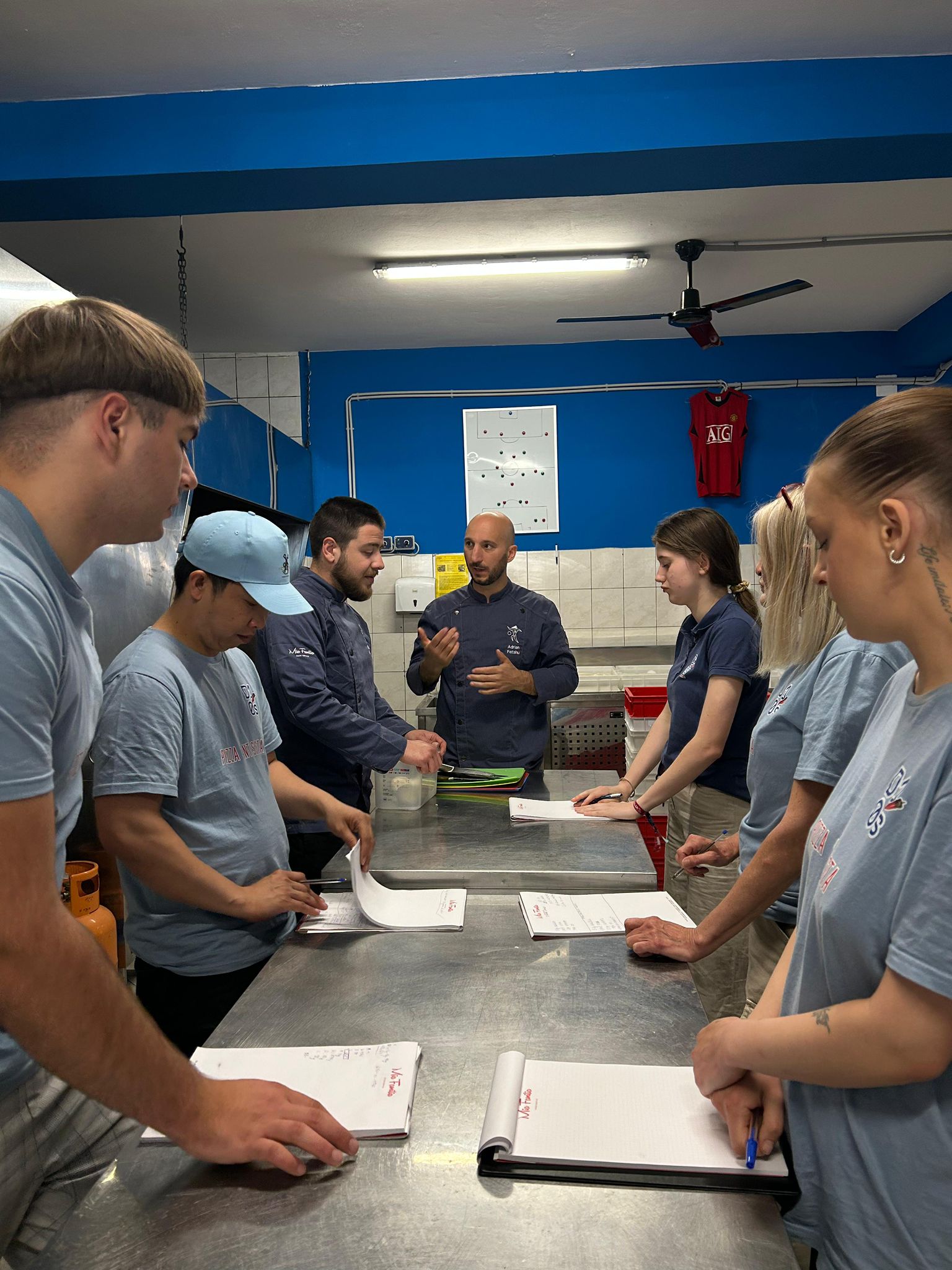
The second cycle was held under the supervision of Jędrzej Lewandowski, the owner of Zielona Górka in Poland and one of the respected names in the European pizza scene.
Zielona Górka has been featured on the 50 Top Pizza list, and that kind of international reference gives the academy a level of mentorship that is not easy to find in a small island setting.
What matters most is not only the reputation. It is the way knowledge is transferred. Participants worked through technique in a practical way, with clear feedback, repetition, and a strong focus on what actually happens in professional kitchens.
Three New Female Pizzaiolas for Pag
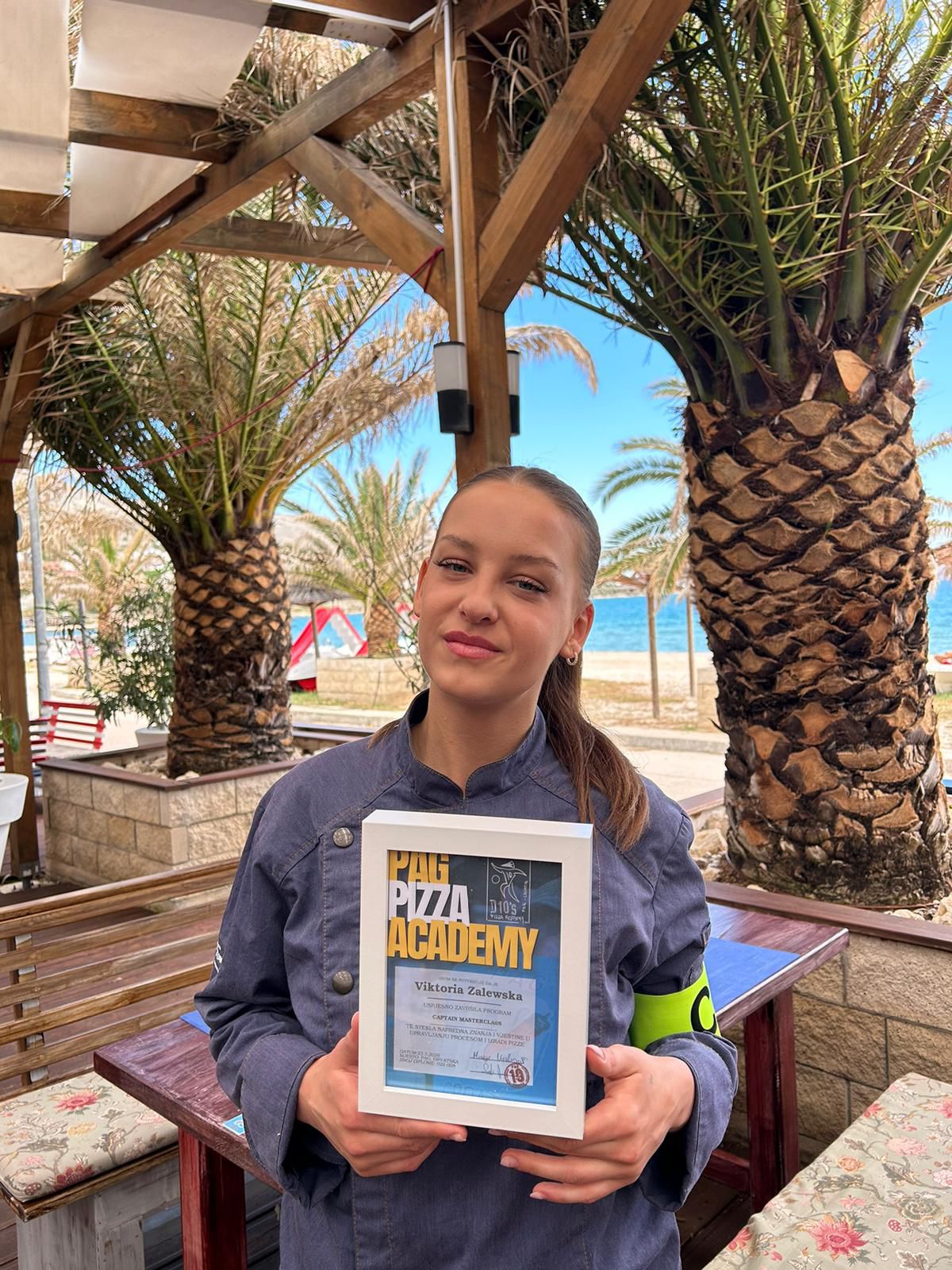
The most concrete result of this cycle is that three new female pizzaiolas completed the program and will continue working on Pag.
That is where the academy becomes useful in a very real way. It does not end with a certificate or a nice group photo. The goal is to prepare people for real work, help local hospitality businesses, and raise the quality of what guests can experience on the island.
For Pag, this is especially important because good hospitality depends on people. Equipment matters, ingredients matter, and location matters, but trained people are the part that turns everything into an experience worth coming back to.
A Different Layer of Pag’s Food Story
Pag already has a strong food identity. Cheese, lamb, salt, local ingredients, and the landscape itself are part of the island’s story. Pizza now adds another layer to that identity, especially when it is connected with education, local work, and international knowledge.
The second cycle of Pag Pizza Academy showed that clearly. Students learned by doing. The city showed support. International mentors shared knowledge. New pizzaiolas entered local kitchens.
It is still pizza. But on Pag, it is also becoming education, work, community, and one more reason to look at the island outside the usual summer frame.
You can follow future workshops, events, and academy updates through D10’s Instagram or the official D10 website.